What Are Carriage Bolt Uses
When you’re searching for fastening hardware, understanding the best applications for each product is critical to ensuring safety, durability, and ease of installation. Carriage bolts, sometimes called coach bolts or timber bolts, stand out among versatile fasteners. Their distinctive design and unique features make carriage bolts ideal for an array of construction, woodworking, and industrial projects. Familiarizing yourself with the proper carriage bolt uses equips you to select the right product for secure assembly, structural integrity, and a clean, professional appearance.
What Is a Carriage Bolt?
A carriage bolt is a mechanical fastener defined by several unique design elements:
- A round dome head that sits flush against the surface.
- A square neck directly beneath the head.
- A fully or partially threaded shank for attachment.
This combination allows the carriage bolt to seat tightly in a square hole or settle into wood, preventing the bolt from spinning as you tighten the nut from the opposite side. Only one tool is needed for installation, which safeguards your project’s visible surface from tool marks. The carriage bolt’s round head also creates a smooth, snag-free finish that’s essential for many safety-oriented and aesthetic applications.
How Carriage Bolts Work (Functionality)
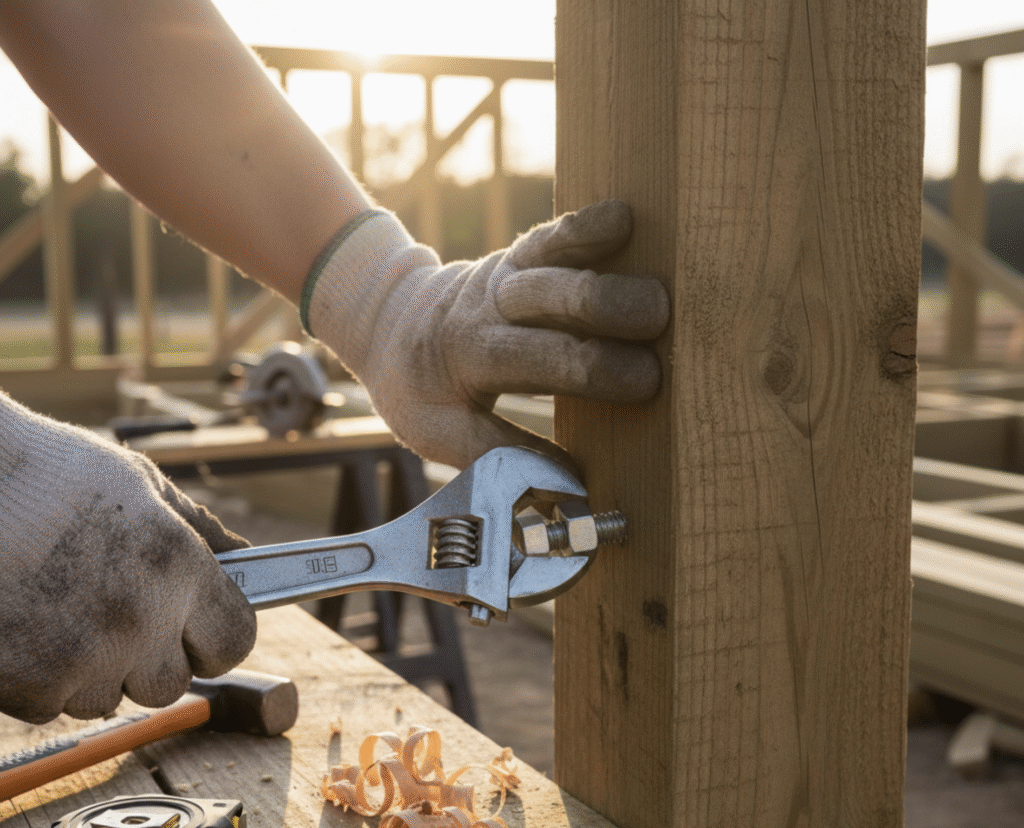
The key to a carriage bolt’s performance lies in its head square neck design. The square neck, positioned immediately beneath the round head, digs into wood or fits snugly into a pre drilled hole with a square cross section. This locks the bolt in place, preventing it from turning as you install the washer and nut on the threaded shank. If you’re working with metal brackets or a metal strap, the square neck can fit into a square hole for the same anti-rotation function.
- Self-locking square neck
- Pre-drilled hole requirement
- Use with washers and nuts
To install a carriage bolt, you’ll usually:
- Drill a pilot hole (and a square section if being used in metal).
- Pass the threaded shank through your materials.
- Fit a washer and nut onto the protruding threads.
The simplicity and self-locking action of the design, paired with the ability to tighten from one side, make carriage bolts highly preferable for settings where access is restricted or a flush surface is necessary. These characteristics also differentiate them from other bolts, such as lag bolts or those with a hexagonal head.
Main Uses of Carriage Bolts
Woodworking and Carpentry
Carriage bolts are used extensively to fasten wood together. Because the square neck locks firmly into the wood and the round head eliminates snagging, carriage bolts deliver both strength and safety in woodworking. You’ll find them securing deck planks, fence rails, pergolas, timber framing, and modular play structures. The domed head provides a finished, low-profile look that is often preferable for visible joints in wooden furniture and architectural carpentry.
Wood to Metal Connections
Whenever you need to fasten wood to metal, by attaching a metal strap, bracket, or base plate to a timber frame, carriage bolts excel. The square neck locks into the timber while the threaded shank passes through pre drilled holes in the metal component. This dual compatibility makes carriage bolts indispensable for assembling shelving, workbenches, and support frames requiring a combination of materials.
Construction Applications
In building and general construction, carriage bolts play a vital role in projects such as framing, decking, boardwalks, bridges, and outdoor structures. Their ability to create a flush surface, resist loosening under vibration (when combined with lock nuts), and offer secure, tamper-resistant fastening makes them a staple in carpentry and contractor toolkits. Unlike some other bolts, carriage bolts avoid marring finished surfaces, a key consideration for exposed or decorative structural elements.
Furniture Assembly
When constructing wooden furniture, such as beds, benches, chairs, playground equipment, or cabinetry, an unobtrusive fastener that’s easy to install is essential. Carriage bolts provide a round head for safety, and their square neck prevents the need for two tools or risking splitting the wood with a pointed tip. You’ll often find carriage bolts in furniture that must be assembled and disassembled, delivering a secure hold that won’t work loose under regular use.
Automotive and Machinery Uses
Carriage bolts aren’t just for woodworking. In the automotive sector and machinery assembly, carriage bolts are used to fasten body panels, machinery guards, engine covers, and trailer beds. The smooth, domed head prevents snagging on moving parts or clothing, and the self-locking neck minimizes the chances of the bolt spinning during installation. Specialty carriage bolts, manufactured from carbon steel or with corrosion-resistant coatings, often serve in high-vibration or outdoor machinery applications.
Outdoor and Marine Structures
For installations exposed to weather or moisture, like docks, piers, gazebos, or outdoor playgrounds, stainless steel or galvanized carriage bolts are essential due to their resistance to rust and corrosion. The rounded head and lack of sharp edges also minimize the risk of injury, which is especially important in high-traffic public settings or marine environments. You can rely on carriage bolts to secure railings, benches, and anchor points for years, even with constant outdoor exposure.
Playgrounds and Recreational Equipment
Safety takes precedence in playgrounds and public parks. The flush, round head of a carriage bolt is a requirement for swing sets, slides, climbers, and other recreational equipment. Without protruding hex heads or sharp edges, the risk of snagging or injury is minimized. The bolts are also tamper-resistant, an advantage in public installations where vandalism or unauthorized removal must be prevented.
Railroad, Bridge, and Heavy-Duty Applications
Infrastructure projects like railways, bridges, and guardrails often demand robust, vibration-resistant fastening solutions. Here, carriage bolts (sometimes called plow bolts or timber bolts for these specific uses) are installed through railroad ties, heavy lumber, or steel components. Their design enables them to withstand repeated stress, weather changes, and dynamic loads, the combination of round head and square cross section beneath the head is particularly critical where joint movement could loosen other bolts.
Agricultural Equipment and Fencing
On farms, sturdy connections are needed for gates, livestock enclosures, feed troughs, and machinery frames. Carriage bolts provide the strength and simplicity necessary for assembling and maintaining these installations. Because fencing and equipment are often exposed to the elements, many choose galvanized or carbon steel carriage bolts for superior corrosion protection and holding power. The anti-rotation design is also essential when securing fencing wire or panels, preventing loosening over time.
Security and Public Installations
Security applications, from municipal signage to public benches and bike racks, benefit from carriage bolts’ tamper resistance. The smooth, domed head cannot be gripped or easily undone without access to the reverse side. Used with lock nuts or security washers, this makes carriage bolts an excellent choice for public fixtures requiring both strength and protection against unauthorized removal.
Tips for Choosing Carriage Bolts
Choosing the right carriage bolt for your application involves several considerations:
- Material selection: For outdoor or corrosive settings, opt for stainless steel or galvanized carriage bolts. For indoor, less critical applications, carbon steel may suffice.
- Length and diameter: Ensure your bolt length accommodates the total thickness of the materials being fastened, plus room for washers and nuts. Thread diameter corresponds to the strength and fit required.
- Use of accessories: In high-vibration environments, washers and lock nuts prevent the bolt from backing out or loosening.
- Pilot hole planning: For wood applications, always drill a pilot hole and consider a square hole for metal-to-metal or composite joints. This assists in seating the square neck and preventing splitting or damage.
Carriage Bolts vs. Other Fasteners
You may wonder when to choose a carriage bolt over other bolts, such as hex bolts, lag bolts, or those with a hexagonal or countersunk head. Carriage bolts are ideal when a flush, tamper-resistant finish is needed and when access to the bolt’s head may be limited or where appearance matters. Lag bolts typically have a pointed tip and are driven into wood without nuts, which can risk splitting in some applications and don’t offer the same tamper resistance. Hex bolts and cap screws require access to both sides and a wrench or socket, these are better suited for metal-to-metal connections or when high torque is required. If your application demands a smooth, safe, and aesthetically pleasing finish with a self-locking mechanism, the right carriage bolt is usually the answer.
Why Carriage Bolts Are Essential Fasteners for All Industries
Carriage bolts are quintessential versatile fasteners, trusted in woodworking, metal connections, construction, furniture, automotive assembly, and countless other applications. Their unique design, a domed, round head and self-locking square neck, delivers secure, flush, and tamper-resistant fastening. Whether you’re building outdoor structures, assembling mechanical equipment, or installing playgrounds, carriage bolts offer reliability, safety, and a professional finish that sets them apart from other bolts. Your careful selection and use of carriage bolts ensure lasting, strong joints and successful project outcomes in every industry and environment.