Wood frame construction is a widely utilized method for building residential and commercial structures, prized for its versatility, cost-effectiveness, and ease of assembly. Among the many components that contribute to the durability and safety of a wooden structure, anchor bolts play a crucial role. These fasteners secure the wood framing to the concrete foundation, ensuring the entire building stands firm against external forces. Understanding how anchor bolts function and the best practices for their installation is essential to maintaining the structural integrity of your framework.
What Are Anchor Bolts?
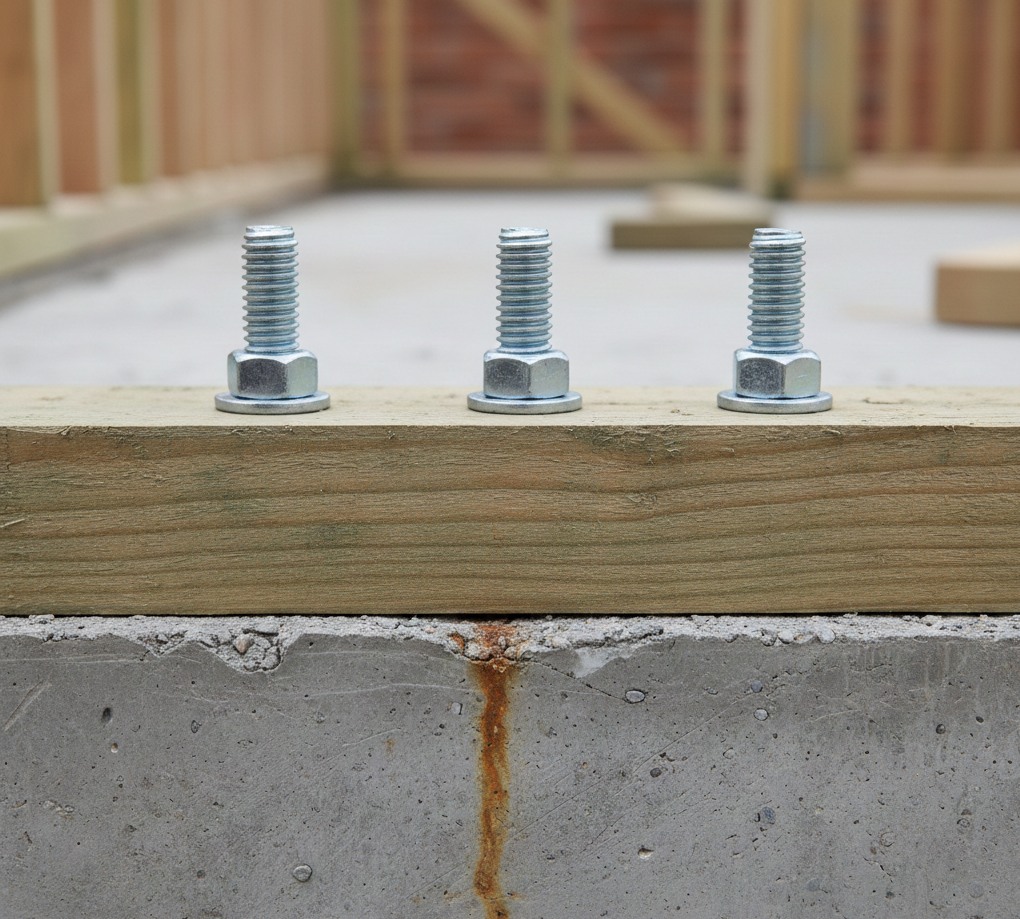
Anchor bolts are heavy-duty fasteners designed to attach structural elements, such as sill plates, directly to a concrete foundation. Their primary purpose is to resist forces that could cause the wood frame to shift or separate from the foundation over time. Typically made of steel, anchor bolts often come with protective finishes like galvanized coatings to enhance corrosion resistance, especially important in outdoor or treated wood applications.
Role of Anchor Bolts in Wood Frame Construction
Anchor bolts are essential components in the connection between the sill plates and the concrete foundation pouring process. By firmly fastening the sill plates, which are the base wood framing members, to the concrete, anchor bolts help prevent any lateral forces from displacing the structure. This fastening is particularly vital in regions prone to seismic activity, where the structural stability of your building may be challenged by earthquakes or high winds. Proper installation of anchor bolts ensures that the wooden structure can withstand shifting and sliding, preserving the building’s overall integrity and safety.
Types of Anchor Bolts Used in Wood Frame Construction
Several types of anchor bolts are common in wood frame construction. The most frequently used include sleeve anchor bolts, which are expandable anchors suitable for attaching wood to concrete. Threaded rods embedded in concrete are also typical, allowing for flexibility in attaching various structural components. Other types of fastening bolts related to wood construction, such as lag bolts and carriage bolts, serve different purposes within the framing but complement the role of anchor bolts by securing additional wood framing connections.
Selection Criteria for Anchor Bolts
Choosing the correct anchor bolts involves careful consideration of size, load capacity, and material properties. The diameter and length must accommodate the expected forces acting on your structure. Material choice is equally critical; galvanized steel or stainless steel options are often preferred for outdoor use or where treated wood may accelerate corrosion. Comparing brands and options, including reputable names like Simpson Strong Tie, can provide confidence in quality and reliability. Ensuring that your selection complies with local building codes will help meet safety standards and inspection requirements.
Installation Process of Anchor Bolts
Preparation
Begin your installation process by inspecting the sill plates and foundation area. Ensure the wood is in good condition, free from rot or damage, and select anchor bolts that match the specifications for your project.
Tools Needed
Prepare the necessary tools such as a drill with masonry bits, hammer, wrench or socket set, and measuring tape to facilitate precise and secure installation.
Step-by-Step Installation Guide
For new constructions, anchor bolts are typically set into wet concrete during the foundation pouring process. This method guarantees a strong embedment of the bolts and proper alignment with the sill plates. For retrofitting existing structures, drill holes into the concrete foundation and insert sleeve anchor bolts or suitable anchors. Tighten nuts on the bolts to secure the sill plates firmly against the foundation. Ensure the bolt heads and nuts are flush and do not impede the placement of other structural elements.
Maintenance and Replacement of Anchor Bolts
Regular inspections of anchor bolts are necessary to detect signs of corrosion, looseness, or physical damage. Anchor bolts enveloped in treated wood or exposed to harsh environments may require more frequent checks. Replacement is advised when any of these issues are present or if anchor bolts no longer meet the load-bearing requirements. Following a maintenance schedule aligned with local building codes will help sustain the safety and durability of your wood framing.
Importance of Anchor Bolts in Seismic Zones
In areas susceptible to earthquakes, anchor bolts help provide critical resistance to lateral forces generated during seismic events. Proper spacing and installation, often specified by local building codes, enhance the structural stability of your building, minimizing the risk of separation from the foundation. Using products like Simpson Strong Tie anchors designed for seismic compliance further helps in meeting rigorous standards and protecting your investment.
Ensuring Structural Stability with Proper Anchor Bolts
Anchor bolts are essential for securing wood framing to the concrete foundation and maintaining your structure’s stability against external forces. Proper selection, installation, and maintenance of anchor bolts are crucial to ensuring long-lasting structural integrity and safety. By following best practices and using quality products, you can protect your wooden structure from shifting, sliding, and seismic impacts. For reliable anchor bolts and expert guidance to support your wood frame construction needs, reach out to us today at BoltCraft!